Reliable transportation is the backbone of economic growth, social mobility, and national connectivity. From the highways that carry freight across states to the buses and trains that move millions of commuters daily, transportation systems shape how communities function. At the center of maintaining and expanding this vast network lies Federal Transportation Funding, a critical mechanism that ensures roads, bridges, and public transit systems remain safe, efficient, and accessible for everyone.
Understanding Federal Transportation Funding
Federal Transportation Funding refers to financial resources allocated by the U.S. federal government to support transportation infrastructure across states, cities, and rural areas. These funds are primarily distributed through legislation passed by Congress and administered by agencies such as the U.S. Department of Transportation (USDOT).
Rather than replacing state or local spending, federal funding typically complements it. States and municipalities often match federal dollars with their own funds, creating a partnership that enables large-scale infrastructure projects that would otherwise be difficult to finance independently.
Why Federal Involvement in Transportation Matters
Transportation infrastructure is not confined by state borders. Interstate highways, national rail corridors, and aviation systems serve the entire country. Federal involvement ensures:
-
Consistent standards for safety and construction
-
Equitable funding for less affluent or rural regions
-
Long-term planning beyond local political cycles
-
National economic competitiveness
Without Federal Transportation Funding, disparities between regions would widen, and critical national routes could fall into disrepair.
Supporting Roads Through Federal Transportation Funding
Maintenance and Rehabilitation
A significant portion of Federal Transportation Funding goes toward maintaining existing roadways. Aging pavement, potholes, and deteriorating surfaces not only slow traffic but also increase vehicle repair costs and accident risks.
Federal programs help states:
-
Resurface highways
-
Improve drainage systems
-
Upgrade road safety features such as guardrails and signage
By prioritizing maintenance, funding helps extend the lifespan of roads and reduces the need for costly full reconstructions.
Expanding Road Capacity
In rapidly growing regions, traffic congestion can choke economic productivity. Federal Transportation Funding supports road widening projects, new bypasses, and alternative routes that relieve pressure on crowded corridors.
These investments are often guided by traffic studies and regional development plans, ensuring that expansion aligns with future population and economic trends.
Strengthening Bridges Across the Nation
Addressing Aging Infrastructure
Many bridges in the United States were built decades ago and are approaching or exceeding their intended lifespan. Federal Transportation Funding plays a vital role in inspecting, repairing, and replacing structurally deficient bridges.
Federal support enables:
-
Structural reinforcement
-
Deck replacement
-
Seismic retrofitting in earthquake-prone areas
These efforts are essential for public safety and uninterrupted transportation flow.
Enhancing Freight and Trade Routes
Bridges are critical links in freight corridors. When a bridge has weight restrictions or safety concerns, it can disrupt supply chains. Through Federal Transportation Funding, key freight bridges are strengthened to handle modern commercial traffic, supporting industries from manufacturing to agriculture.
Federal Transportation Funding and Public Transit Systems
Improving Urban Mobility
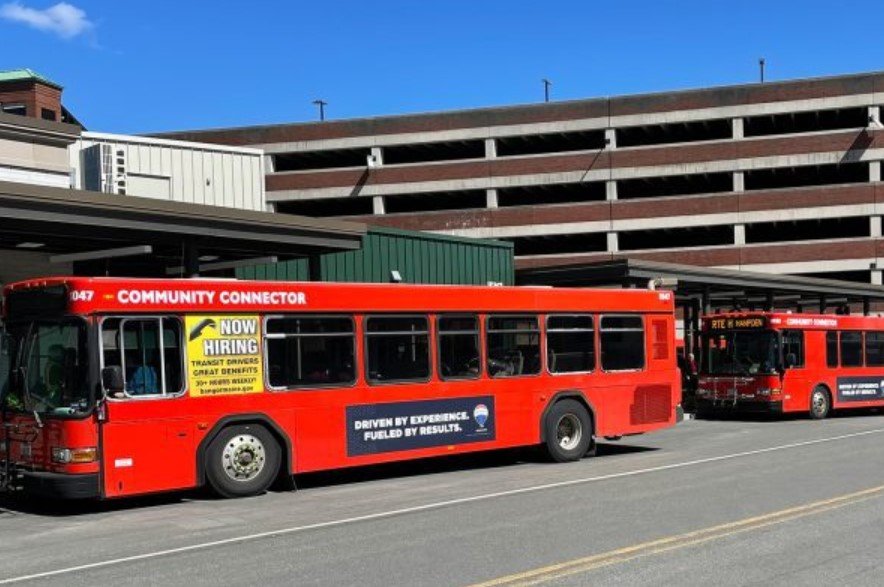
Public transit systems—buses, subways, light rail, and commuter trains—depend heavily on Federal Transportation Funding. Urban areas, in particular, rely on these funds to modernize fleets, expand routes, and improve reliability.
Federal support helps transit agencies:
-
Purchase low-emission or electric vehicles
-
Upgrade stations and accessibility features
-
Implement real-time tracking and smart ticketing systems
These improvements encourage ridership and reduce reliance on personal vehicles.
Expanding Access for Underserved Communities
Equitable transportation access is a major goal of Federal Transportation Funding. Many programs prioritize service to low-income neighborhoods, rural areas, seniors, and people with disabilities.
By supporting paratransit services and rural transit routes, federal funding ensures that transportation is not a barrier to employment, education, or healthcare.
Economic Benefits of Federal Transportation Funding
Job Creation and Workforce Development
Infrastructure projects funded through Federal Transportation Funding generate millions of jobs. These include construction workers, engineers, planners, and maintenance crews, as well as indirect jobs in manufacturing and materials supply.
Long-term investments also support workforce training programs, preparing workers for skilled trades and technical roles within the transportation sector.
Boosting Local and National Economies
Efficient transportation lowers the cost of doing business. Smooth roads reduce shipping delays, reliable transit improves workforce punctuality, and strong bridges support heavy industry.
By improving connectivity, Federal Transportation Funding enhances regional competitiveness and attracts private investment.
Environmental and Sustainability Impacts
Reducing Emissions
Modern transportation policy increasingly integrates environmental goals. Federal Transportation Funding supports projects that reduce greenhouse gas emissions, such as:
-
Public transit expansion
-
Bike and pedestrian infrastructure
-
Traffic flow optimization
These initiatives help communities meet climate targets while improving quality of life.
Building Climate-Resilient Infrastructure
Extreme weather events pose growing risks to transportation networks. Federal funds are used to elevate roads in flood-prone areas, reinforce bridges against storms, and design infrastructure resilient to temperature extremes.
Through Federal Transportation Funding, communities can adapt infrastructure to changing environmental conditions.
How Federal Transportation Funding Is Distributed
Formula-Based Programs
Many federal transportation dollars are allocated through formulas that consider factors such as population, road mileage, and fuel usage. This approach ensures predictable funding streams for states and long-term planning stability.
Competitive Grant Programs
In addition to formula funds, Federal Transportation Funding includes competitive grants for innovative or high-impact projects. These grants often focus on safety improvements, technological innovation, or multimodal integration.
Competitive programs encourage creativity and accountability, rewarding projects that deliver measurable benefits.
Accountability and Oversight
Ensuring Effective Use of Funds
To maintain public trust, Federal Transportation Funding is subject to strict oversight. Projects must meet federal guidelines, undergo environmental reviews, and report progress and expenditures.
Audits and performance evaluations help ensure that funds are used efficiently and achieve intended outcomes.
Measuring Long-Term Impact
Federal agencies track metrics such as accident reduction, congestion levels, and transit ridership to assess the effectiveness of funded projects. These insights guide future funding decisions and policy adjustments.
Challenges Facing Federal Transportation Funding
Despite its benefits, Federal Transportation Funding faces ongoing challenges:
-
Funding gaps due to rising construction costs
-
Political disagreements over spending priorities
-
Balancing maintenance with new construction
-
Adapting to emerging technologies like autonomous vehicles
Addressing these challenges requires coordinated planning, updated funding mechanisms, and continued collaboration between federal, state, and local governments.
The Future of Federal Transportation Funding
As transportation needs evolve, so does Federal Transportation Funding. Future priorities are likely to include:
-
Greater emphasis on sustainability and clean energy
-
Smart infrastructure and data-driven traffic management
-
Integrated multimodal transportation networks
-
Enhanced resilience against climate risks
By aligning funding strategies with these goals, the federal government can ensure that transportation infrastructure remains capable of supporting economic growth and social equity for decades to come.
Conclusion
Roads, bridges, and public transit systems are more than physical structures—they are lifelines that connect people, goods, and opportunities. Federal Transportation Funding plays a central role in maintaining these lifelines, ensuring safety, promoting economic vitality, and expanding access for all communities.
Through strategic investment, oversight, and long-term planning, federal funding continues to shape a transportation system that supports national progress. As challenges and technologies change, the importance of Federal Transportation Funding in building a connected, resilient future remains stronger than ever.