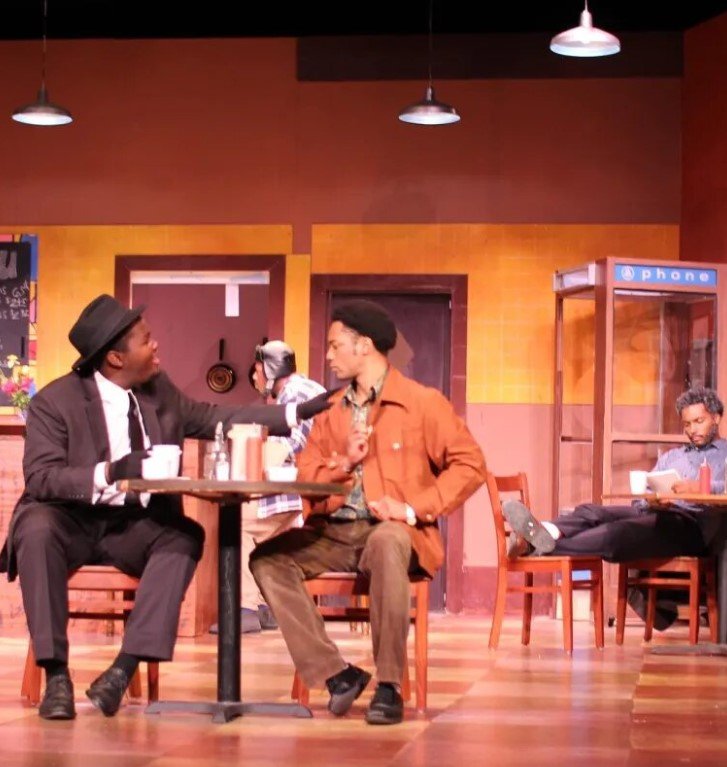
The rhythm of creativity beats strongly across the campuses of Historically Black Colleges and Universities (HBCUs). Among the many avenues where students explore their talents, HBCU Performing Arts Programs stand out as incubators for future leaders in music, theater, dance, and beyond. These programs do more than teach technique—they cultivate vision, resilience, and collaboration, skills essential for success in any creative industry.
Cultivating Artistic Excellence
HBCU Performing Arts Programs offer students rigorous training in various artistic disciplines. Whether it’s mastering classical piano, choreographing modern dance, or performing in theatrical productions, students receive an education grounded in both tradition and innovation. Faculty members, often accomplished artists themselves, mentor students personally, providing critical feedback and professional guidance.
This intensive training ensures that graduates leave not only with technical proficiency but also with the confidence to experiment, lead, and influence the evolving world of arts. The programs emphasize performance, composition, and production, which equips students with a broad skill set, essential for creative leadership roles in diverse industries such as film, theater, and digital media.
Building Leadership Skills Through Collaboration
Beyond artistic development, HBCU Performing Arts Programs instill leadership qualities by emphasizing collaboration. Performing arts inherently require teamwork, whether it’s coordinating an ensemble cast or synchronizing a dance troupe. Students learn how to communicate effectively, delegate responsibilities, and resolve conflicts—critical skills that translate seamlessly into leadership roles outside the arts.
Many HBCUs encourage students to take initiative in organizing performances, festivals, and community events. These opportunities allow students to develop project management skills, budgeting knowledge, and strategic planning abilities. By taking on leadership roles within productions, students gain hands-on experience managing teams and executing large-scale projects, preparing them for careers as directors, producers, choreographers, and arts administrators.
Celebrating Cultural Heritage
A distinguishing feature of HBCU Performing Arts Programs is their deep connection to African American cultural traditions. From gospel and jazz to step and spoken word, these programs celebrate and preserve the rich artistic heritage of Black communities. This cultural grounding provides students with a strong sense of identity and purpose, shaping them into artists who are not only technically skilled but also culturally aware and socially conscious.
Programs often integrate historical study into curricula, examining the contributions of Black artists to American culture. This approach fosters appreciation for heritage while inspiring students to innovate and expand the artistic landscape. Graduates carry forward this cultural awareness into their careers, influencing broader creative industries with a blend of tradition and modernity.
Access to Professional Networks
Networking is a vital component of career development, and HBCU Performing Arts Programs offer students unique access to influential industry professionals. Guest lecturers, workshops, and performance opportunities connect students with established artists, producers, and directors. These interactions often lead to internships, mentorships, and career opportunities that might otherwise be difficult to access.
Additionally, alumni networks from HBCUs are remarkably supportive. Graduates often mentor current students, providing guidance, sharing opportunities, and opening doors in competitive fields. This strong sense of community ensures that students not only learn the craft but also understand the professional landscape they are entering, positioning them for long-term success.
Encouraging Innovation and Entrepreneurship
Creativity and innovation go hand in hand, and HBCU Performing Arts Programs encourage students to think entrepreneurially. Whether composing original music, producing independent films, or launching dance companies, students are urged to create their own opportunities. Courses in arts management, marketing, and production help students develop practical skills to navigate the business side of the creative world.
This entrepreneurial mindset is vital for emerging leaders. By combining artistry with strategic thinking, graduates are prepared to launch initiatives, lead organizations, and influence industry trends. HBCU alumni in the arts often become trailblazers, launching projects that amplify underrepresented voices and redefine cultural norms.
Expanding Global Perspectives
Many HBCU Performing Arts Programs also emphasize global engagement. Students often participate in international tours, cultural exchanges, and study-abroad programs, exposing them to diverse artistic traditions and global perspectives. This experience broadens their creative horizons and fosters adaptability—qualities essential for leaders in today’s interconnected arts and entertainment industries.
By experiencing and contributing to the global arts community, students learn to navigate different cultural contexts while maintaining their unique artistic voice. Such exposure encourages innovation, collaboration, and cross-cultural understanding, equipping graduates with the skills to thrive in a diverse, globalized creative economy.
Conclusion: Shaping the Next Generation of Leaders
The impact of HBCU Performing Arts Programs extends far beyond the stage or studio. These programs nurture the next generation of creative leaders by combining technical mastery, cultural literacy, leadership development, and entrepreneurial skills. Students emerge not only as exceptional artists but as visionaries capable of shaping the future of arts, entertainment, and culture.
As these graduates move into professional arenas, they carry with them the legacy of their institutions—a commitment to excellence, community, and innovation. HBCUs continue to prove that investing in performing arts education is not just about training performers; it is about cultivating leaders who inspire change, preserve culture, and redefine what it means to be a creative force in society.