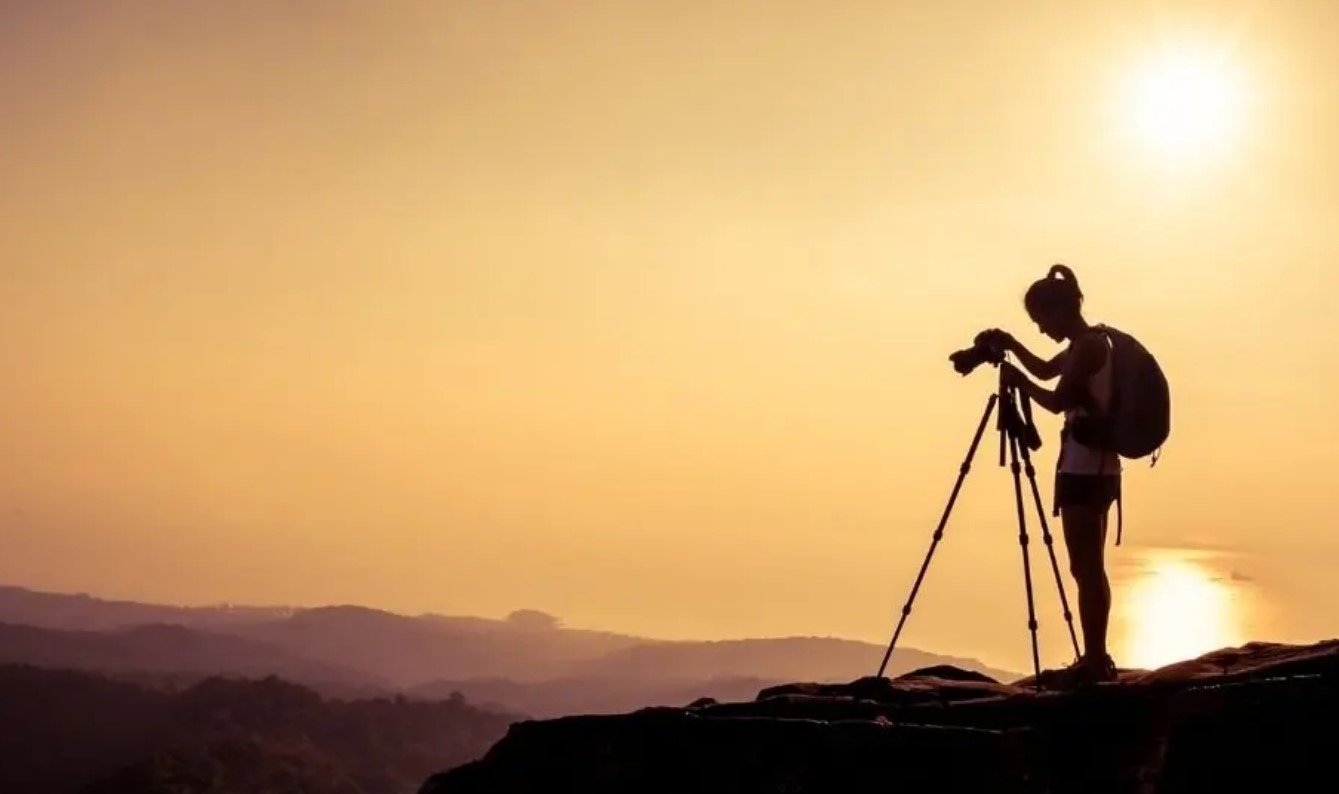
Digital photography has revolutionized the way we capture and share images. With the advancement of technology, anyone with a smartphone or a digital camera can take high-quality photos. However, to truly stand out, it is important to understand the principles and techniques that define great photography.
What Is Digital Photography?
Digital photography involves capturing images using electronic sensors instead of traditional film. These images are stored digitally, allowing for easy editing, sharing, and storage.
One of the biggest advantages of digital photography is instant feedback. Photographers can review their shots immediately and make adjustments as needed. This feature makes learning photography faster and more accessible.
Choosing the Right Equipment
While it is possible to take great photos with any camera, having the right equipment can enhance your experience. Beginners often start with entry-level DSLR or mirrorless cameras, which offer manual controls and better image quality.
Lenses also play a significant role in photography. A prime lens is excellent for portraits, while a wide-angle lens is ideal for landscapes. Understanding the purpose of each lens helps you choose the right one for your needs.
However, it is important to remember that equipment alone does not guarantee great photos. Skill and creativity are far more important.
Mastering Camera Settings
To take full advantage of digital photography, you need to move beyond automatic mode. Learning to use manual settings gives you greater control over your images.
White balance ensures accurate color representation, while focus modes help you capture sharp images. Metering modes determine how the camera measures light, which affects exposure.
Experimenting with these settings allows you to adapt to different shooting conditions and achieve your desired results.
The Power of Post-Processing
Post-processing is a key aspect of digital photography. Editing software enables photographers to correct imperfections and enhance their images.
Basic adjustments include cropping, exposure correction, and color balance. Advanced techniques involve retouching, noise reduction, and creative effects.
While editing can significantly improve a photo, it is important to maintain authenticity. Over-editing can make images look unnatural and reduce their impact.
Tips for Better Photography
Improving your photography skills requires both practice and patience. Here are some practical tips:
- Always pay attention to lighting conditions
- Keep your camera steady to avoid blur
- Focus on your subject and eliminate distractions
- Experiment with different angles and perspectives
- Practice regularly and learn from your mistakes
These simple steps can make a noticeable difference in the quality of your photos.
Sharing and Showcasing Your Work
In the digital era, sharing your photography has never been easier. Social media platforms and online portfolios allow photographers to showcase their work to a global audience.
Creating a consistent style and maintaining quality can help you build a strong portfolio. Engaging with other photographers and audiences also helps you gain exposure and improve your skills.
Turning Photography into a Career
For those passionate about photography, it can become a rewarding career. Opportunities exist in various fields, including wedding photography, commercial photography, and photojournalism.
Building a successful career requires not only technical skills but also business knowledge. Marketing your services, managing clients, and maintaining professionalism are essential for long-term success.
Conclusion
Digital photography offers endless possibilities for creativity and expression. By understanding the fundamentals, choosing the right equipment, and practicing regularly, anyone can become a skilled photographer. Whether you are capturing everyday moments or pursuing photography professionally, the key is to stay curious, keep learning, and enjoy the process.