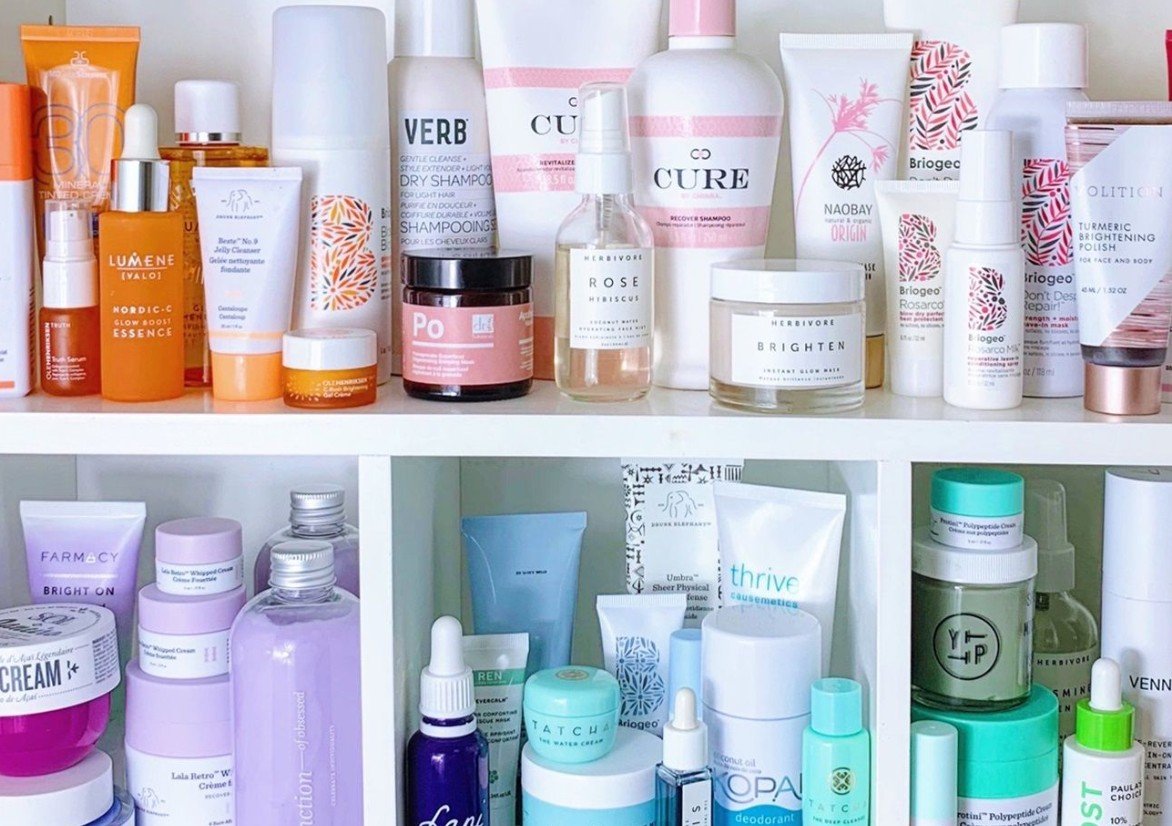
Taking care of your skin at home is not about expensive products or complicated steps—it is about consistency, understanding your skin type, and using the right order of products. A well-built skincare routine can improve texture, prevent acne, slow down aging signs, and keep your skin naturally glowing. The key is to create a simple but effective system that fits into your daily life without feeling overwhelming.
Many people start using random products without a plan, which often leads to irritation or no visible results. A perfect skincare routine is structured, balanced, and tailored to individual needs. Once you understand the basics, you can build a routine that actually works and gives long-term benefits.
Step 1: Understand Your Skin Type
Before choosing any product, you must first identify your skin type. This is the foundation of every skincare routine.
There are five main skin types:
- Oily skin: produces excess sebum, often shiny with visible pores
- Dry skin: feels tight, rough, or flaky
- Combination skin: oily in some areas (usually T-zone) and dry in others
- Normal skin: balanced, neither too oily nor too dry
- Sensitive skin: easily irritated, reacts to products or weather changes
Knowing your skin type helps you avoid using products that may worsen your condition. For example, heavy creams may clog pores in oily skin, while strong acne treatments may irritate sensitive skin.
Step 2: Cleansing – The First and Most Important Step
Cleansing is the foundation of any skincare routine. Throughout the day, your skin collects dirt, oil, sweat, and pollution. If not removed properly, these impurities can clog pores and cause acne or dullness.
Use a gentle cleanser twice daily—once in the morning and once at night. Choose a cleanser based on your skin type:
- Gel cleansers for oily or acne-prone skin
- Cream cleansers for dry skin
- Mild foaming cleansers for combination or normal skin
Avoid harsh soaps because they can strip away natural oils and damage the skin barrier.
Step 3: Toning – Balancing Your Skin
Toners are often misunderstood, but they play an important role in restoring skin balance after cleansing. A good toner helps remove leftover impurities, tightens pores, and prepares the skin for better absorption of other products.
For oily skin, choose a toner with ingredients like salicylic acid or witch hazel. For dry or sensitive skin, use alcohol-free hydrating toners with ingredients like rose water or aloe vera.
Toning is a simple step, but it significantly improves the effectiveness of your skincare routine.
Step 4: Serum – Targeted Treatment for Skin Problems
Serums are concentrated formulas designed to target specific skin concerns such as acne, dark spots, wrinkles, or dullness. They contain active ingredients that penetrate deeper into the skin.
Some common types of serums include:
- Vitamin C serum for brightening and reducing dark spots
- Hyaluronic acid serum for hydration
- Niacinamide serum for controlling oil and reducing pores
- Retinol serum for anti-aging and skin renewal
Apply a few drops of serum after toning and gently press it into your skin. This step is essential for visible long-term results.
Step 5: Moisturizing – Locking in Hydration
Moisturizing is necessary for all skin types, even oily skin. It helps maintain the skin barrier and prevents dryness or excessive oil production.
Choose a lightweight gel moisturizer for oily skin and a richer cream for dry skin. Combination skin may need a balanced formula that hydrates without feeling heavy.
A good moisturizer keeps your skin soft, smooth, and protected throughout the day.
Step 6: Sunscreen – Your Daily Protection Shield
Sunscreen is one of the most important steps in any skincare routine, yet many people ignore it. UV rays from the sun can cause premature aging, dark spots, and even skin cancer.
Use a broad-spectrum sunscreen with at least SPF 30 every morning, even if you stay indoors. Reapply every 2–3 hours if you are outside for long periods.
Without sunscreen, all your other skincare efforts can go to waste because sun damage continues silently every day.
Step 7: Night Routine – Repair While You Sleep
Nighttime is when your skin repairs itself. A good night routine helps support this natural process.
At night, follow this order:
- Cleanser
- Toner
- Serum (treatment-focused)
- Night cream or moisturizer
You can also include treatments like retinol or exfoliating acids 2–3 times per week, depending on your skin tolerance. Avoid overusing active ingredients as it can cause irritation.
Step 8: Weekly Skincare Add-ons
In addition to your daily routine, weekly treatments help improve skin health:
- Exfoliation: removes dead skin cells (1–2 times per week)
- Face masks: provide deep hydration or oil control
- Steam therapy: opens pores and improves circulation
Do not overdo these steps, as too much exfoliation can damage your skin barrier.
Step 9: Healthy Lifestyle for Better Skin
Skincare is not only about external products. Your lifestyle plays a huge role in skin health.
Drink plenty of water to keep your skin hydrated. Eat fruits and vegetables rich in vitamins and antioxidants. Get enough sleep to allow your skin to repair naturally. Avoid excessive junk food and reduce stress whenever possible.
A healthy body naturally leads to healthy skin.
Conclusion
Building a perfect skincare routine at home is simple when you follow the right steps in the correct order. It starts with understanding your skin type and continues with consistent cleansing, toning, treating, moisturizing, and protecting your skin with sunscreen.
You do not need expensive products or complicated routines. What matters most is consistency and choosing products that suit your skin’s needs. Over time, a proper skincare routine will give you clearer, healthier, and more radiant skin that looks naturally beautiful every day.