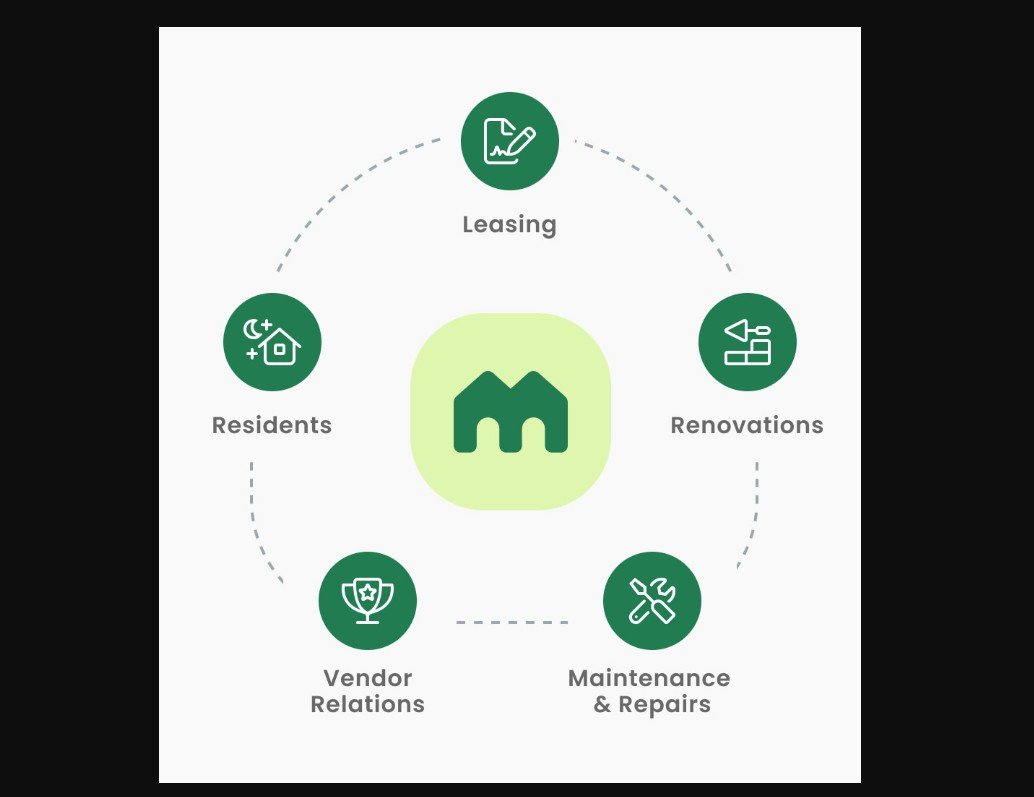
If you’ve ever wondered, what is property management, you’re not alone. Property management is the professional oversight of residential, commercial, or industrial real estate on behalf of the property owner. It involves handling the daily operations of a property, maintaining its condition, managing tenants, collecting rent, and ensuring compliance with local laws and regulations.
Whether you own a single rental home or a portfolio of apartment buildings, effective property management can help maximize your investment while reducing the stress of ownership. In this guide, we’ll explore what property management is, the responsibilities of property managers, and the benefits of hiring a professional.
What Is Property Management?
Property management refers to the administration, operation, and maintenance of real estate properties. A property manager acts as the intermediary between the owner and the tenants, ensuring that the property runs smoothly and remains profitable.
Property management services are commonly used for:
- Single-family rental homes
- Apartment complexes
- Condominiums
- Commercial office buildings
- Retail spaces
- Industrial properties
- Vacation rentals
The goal of property management is to protect the owner’s investment while providing tenants with a safe and comfortable place to live or conduct business.
Responsibilities of a Property Manager
Professional property managers perform a wide range of tasks that help property owners save time and reduce hassle.
Tenant Screening
Finding reliable tenants is one of the most important responsibilities. Property managers advertise vacancies, review applications, conduct background checks, verify employment, and contact previous landlords before approving applicants.
Rent Collection
Collecting rent consistently is essential for maintaining positive cash flow. Property managers establish payment schedules, send reminders, process payments, and follow legal procedures when tenants fail to pay on time.
Property Maintenance
Routine maintenance keeps properties in good condition and prevents costly repairs. Property managers coordinate inspections, schedule repairs, hire contractors, and respond to emergency maintenance requests.
Lease Management
A property manager prepares lease agreements, explains lease terms, handles renewals, and ensures tenants comply with all conditions outlined in the contract.
Financial Reporting
Many property management companies provide detailed financial reports that include rental income, maintenance expenses, tax documents, and occupancy rates. These reports help owners monitor the performance of their investments.
Legal Compliance
Landlord-tenant laws can be complex and vary by location. Property managers stay updated on legal requirements related to fair housing, safety standards, security deposits, and eviction procedures.
Benefits of Professional Property Management
Hiring a property management company offers several advantages for property owners.
Saves Time
Managing rental properties requires significant time and effort. A property manager handles daily operations, allowing owners to focus on other priorities or investments.
Better Tenant Retention
Professional management often results in happier tenants because maintenance requests are addressed promptly and communication is handled professionally. Satisfied tenants are more likely to renew their leases.
Lower Vacancy Rates
Experienced property managers know how to market properties effectively and set competitive rental prices. Faster tenant placement means fewer vacant units and more consistent income.
Reduced Stress
From emergency repairs to tenant disputes, rental ownership comes with many challenges. Property managers handle these issues on behalf of the owner, reducing stress and workload.
Improved Property Value
Regular maintenance, inspections, and timely repairs help preserve the property’s condition and long-term market value.
Who Needs Property Management?
Property management services are beneficial for many types of property owners, including:
- Busy professionals
- Investors with multiple rental properties
- Owners living far from their rental property
- First-time landlords
- Commercial property owners
- Vacation rental owners
Even experienced landlords may choose professional management to simplify operations and improve efficiency.
How Property Management Companies Earn Money
Most property management companies charge a monthly management fee, usually calculated as a percentage of the rental income. Some may also charge additional fees for services such as tenant placement, lease renewals, inspections, or maintenance coordination.
Before hiring a company, property owners should carefully review the management agreement to understand all costs and services provided.
Choosing the Right Property Management Company
Selecting the right property manager is an important decision. Look for companies with:
- Strong industry experience
- Positive customer reviews
- Proper licensing and insurance
- Transparent pricing
- Excellent communication
- Reliable maintenance networks
- Knowledge of local rental laws
Request references and ask detailed questions before signing a management agreement.
Tips for Successful Property Management
Whether you manage your own property or hire a professional, these best practices can help:
- Keep accurate financial records.
- Perform regular property inspections.
- Respond quickly to maintenance requests.
- Screen tenants carefully.
- Maintain open communication with tenants.
- Stay informed about landlord-tenant laws.
- Budget for future repairs and improvements.
Following these practices helps protect your investment and maintain strong tenant relationships.
Conclusion
Understanding what is property management is essential for anyone who owns or plans to invest in rental real estate. Property management involves much more than collecting rent—it includes tenant relations, maintenance, financial management, legal compliance, and protecting the property’s long-term value.
Whether you choose to manage your property yourself or hire a professional company, effective property management plays a vital role in maximizing rental income, reducing vacancies, and preserving your investment. By selecting the right management approach, property owners can enjoy the financial benefits of real estate while minimizing the day-to-day responsibilities of ownership.