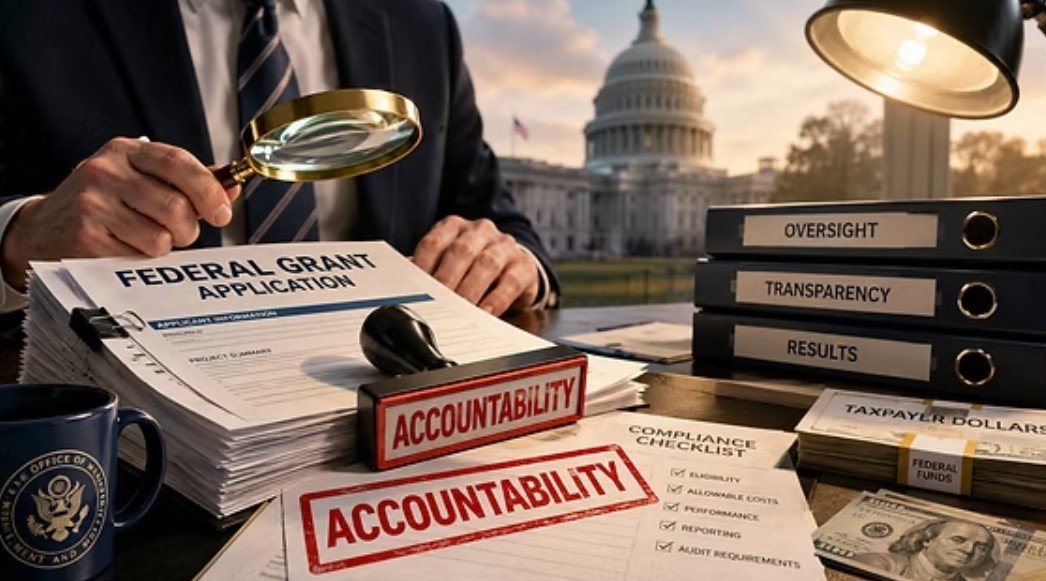
Organizations that rely on government funding know that receiving a grant is only the beginning of the journey. Success depends on managing those funds responsibly, meeting compliance requirements, and demonstrating measurable outcomes. Whether you’re a nonprofit organization, educational institution, healthcare provider, or government agency, effective Federal grant management ensures that every dollar is used efficiently while building trust with funding agencies. A well-organized grant management process not only reduces financial risks but also increases the likelihood of securing future funding opportunities.
What Is Federal Grant Management?
Federal grant management is the process of planning, administering, monitoring, and reporting on grants awarded by federal agencies. It covers every stage of the grant lifecycle, from application and award acceptance to financial tracking, compliance monitoring, performance reporting, and final closeout.
An effective grant management system helps organizations:
- Track grant budgets accurately
- Meet federal compliance requirements
- Document expenditures
- Monitor project performance
- Submit reports on time
- Prepare for audits
By following structured grant management practices, organizations can demonstrate accountability while maximizing the impact of federal funding.
Why Accountability Matters in Federal Grants
Federal agencies expect grant recipients to use public funds responsibly. Accountability is more than simply keeping receipts—it involves maintaining transparency, following regulations, and proving that grant objectives are being achieved.
Strong accountability provides several benefits:
- Builds confidence with funding agencies
- Reduces the risk of financial penalties
- Improves organizational credibility
- Simplifies audit preparation
- Supports future grant applications
Organizations with a proven history of responsible grant administration often enjoy stronger relationships with federal funders.
How Federal Grant Management Improves Financial Oversight
One of the primary goals of Federal grant management is maintaining complete financial control throughout the project.
Financial oversight includes:
Budget Monitoring
Tracking expenditures against approved budgets prevents overspending and identifies issues before they become serious.
Expense Documentation
Every purchase and payment should be supported by proper documentation, including invoices, contracts, and receipts.
Cost Allocation
Organizations must ensure expenses are charged to the correct grant and align with federal cost principles.
Financial Reporting
Accurate financial reports allow agencies to verify that funds are being used according to grant agreements.
Proper oversight reduces errors and helps maintain compliance throughout the grant period.
Strengthening Compliance with Federal Regulations
Federal grants come with strict rules regarding spending, procurement, reporting, and recordkeeping.
Effective grant management helps organizations comply with requirements such as:
- Uniform Guidance regulations
- Procurement standards
- Allowable cost principles
- Internal control requirements
- Reporting deadlines
- Record retention policies
Maintaining compliance protects organizations from audits, repayment demands, and potential loss of future funding.
Improving Internal Controls
Strong internal controls are essential for preventing fraud, waste, and financial mismanagement.
Examples include:
Separation of Duties
Different employees should handle approvals, payments, and accounting responsibilities to reduce fraud risks.
Approval Workflows
Purchases and expenditures should follow documented approval procedures.
Regular Reviews
Routine financial reviews identify discrepancies before they become major problems.
Policy Documentation
Written grant management policies help ensure consistency across departments.
These practices improve operational efficiency while strengthening accountability.
Enhancing Project Performance Monitoring
Financial accountability alone isn’t enough. Federal agencies also expect organizations to achieve measurable program outcomes.
Performance monitoring involves:
- Tracking project milestones
- Measuring program effectiveness
- Evaluating participant outcomes
- Comparing actual results with grant objectives
- Identifying areas for improvement
Organizations that consistently monitor performance can adjust strategies before problems affect project success.
Supporting Accurate Reporting
Federal grant reporting includes both financial and performance information. Missing deadlines or submitting inaccurate reports can negatively impact future funding.
Effective reporting should include:
- Budget updates
- Program achievements
- Performance metrics
- Challenges encountered
- Corrective actions taken
- Future project plans
Reliable reporting demonstrates transparency and reinforces trust with grant-making agencies.
Maximizing Future Funding Opportunities
Organizations with strong grant management practices are often more competitive when applying for additional federal funding.
Funding agencies review an applicant’s previous performance, including:
- Compliance history
- Financial management
- Timely reporting
- Program success
- Audit results
A positive grant management record increases confidence that future awards will also be managed responsibly.
As a result, organizations become stronger candidates for larger and more competitive grants.
Using Technology for Better Grant Management
Modern grant management software simplifies many administrative tasks while reducing manual errors.
Popular features include:
- Budget tracking dashboards
- Automated reporting
- Document storage
- Deadline reminders
- Compliance monitoring
- Workflow approvals
Technology allows organizations to spend less time on paperwork and more time delivering successful programs.
Common Challenges in Federal Grant Management
Even experienced organizations encounter challenges during grant administration.
Common issues include:
Complex Regulations
Federal requirements frequently change, requiring ongoing staff training.
Multiple Funding Sources
Managing several grants simultaneously can create budgeting and reporting complications.
Limited Staff Resources
Smaller organizations may struggle with dedicated grant management personnel.
Documentation Gaps
Missing records can create problems during audits and compliance reviews.
Reporting Delays
Late reports may affect funding relationships and future grant eligibility.
Recognizing these challenges early allows organizations to develop practical solutions before they impact grant performance.
Best Practices for Successful Grant Management
Organizations can improve accountability and funding success by adopting several proven practices.
Develop Clear Procedures
Create standardized policies covering budgeting, procurement, reporting, and documentation.
Train Staff Regularly
Provide ongoing education regarding federal regulations and grant requirements.
Monitor Budgets Frequently
Review financial data monthly to identify issues before they escalate.
Maintain Organized Records
Store contracts, receipts, reports, and supporting documents in a centralized system.
Conduct Internal Audits
Routine internal reviews help identify compliance gaps before external audits occur.
Communicate Across Departments
Finance, program managers, and leadership should collaborate throughout the grant lifecycle.
These best practices strengthen accountability while improving operational efficiency.
Long-Term Benefits of Effective Federal Grant Management
Organizations that prioritize professional grant management gain significant long-term advantages beyond compliance.
These benefits include:
- Increased funding success
- Stronger financial stability
- Better organizational reputation
- Improved program outcomes
- Reduced audit risk
- Enhanced stakeholder confidence
- Greater operational efficiency
Over time, effective grant management becomes a competitive advantage that supports sustainable organizational growth.
Conclusion
Successful Federal grant management goes far beyond administrative paperwork. It establishes financial accountability, strengthens compliance, improves reporting accuracy, and demonstrates responsible stewardship of public funds. Organizations that implement structured grant management practices not only reduce operational risks but also position themselves for greater funding opportunities in the future. By combining strong internal controls, accurate financial oversight, ongoing performance monitoring, and modern management tools, organizations can maximize the value of every federal grant while building lasting credibility with funding agencies.