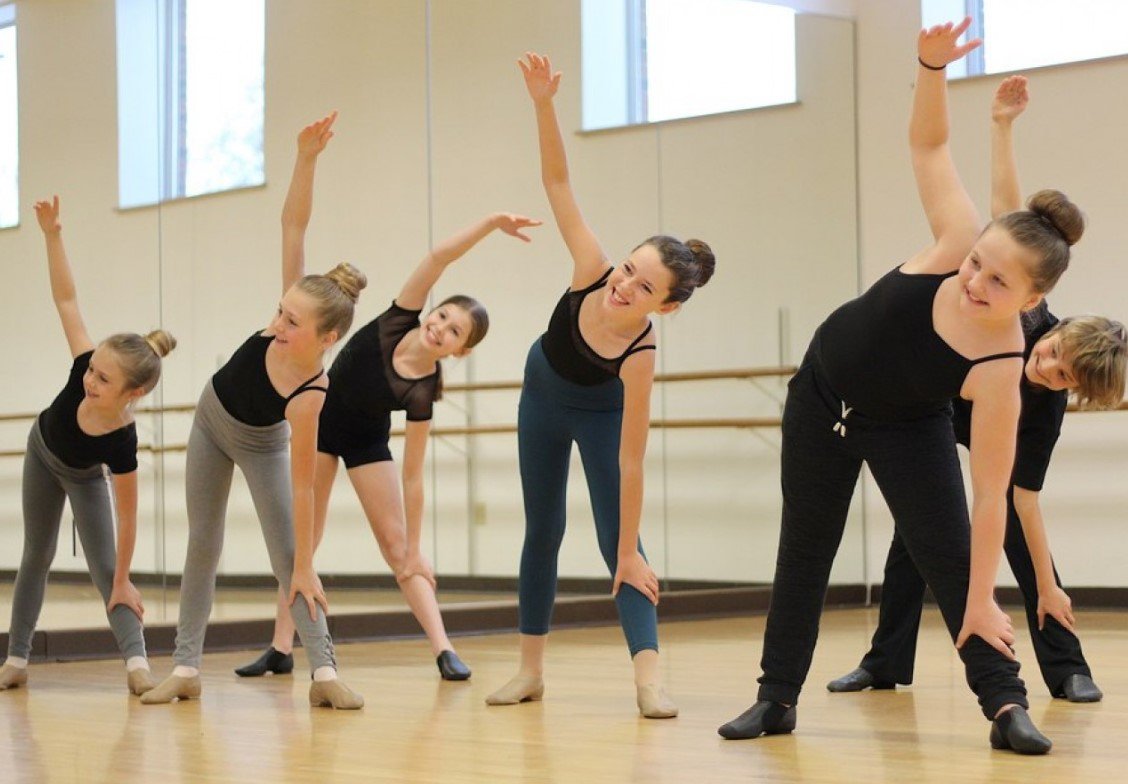
Dance is more than just movement—it is a powerful blend of artistry, athleticism, and discipline. Whether you are a beginner learning basic steps or an experienced performer perfecting advanced choreography, preparation and recovery are essential parts of your training routine. One of the most overlooked yet critical aspects of dance is the Importance of Warm-Ups and Cool-Downs in Dance Training. These two elements not only enhance performance but also protect the body from injury and long-term strain.
Why Warm-Ups Matter Before Dancing
A proper warm-up is like gently waking your body up before demanding physical activity. It prepares your muscles, joints, and mind for the intensity of dance movements.
Increased Blood Flow and Flexibility
When you begin with a warm-up, your heart rate gradually increases, promoting better blood circulation. This helps deliver oxygen and nutrients to your muscles, making them more flexible and responsive. Flexible muscles are less prone to tears, which is crucial in dance where sudden movements and stretches are common.
Improved Coordination and Focus
Dance requires precision, rhythm, and coordination. A structured warm-up allows your body and mind to sync together. Simple exercises like light cardio, dynamic stretching, and basic dance moves help activate muscle memory and improve balance.
Injury Prevention
Skipping a warm-up is one of the leading causes of dance-related injuries. Cold muscles are stiff and less elastic, making them vulnerable to strains and sprains. By recognizing the Importance of Warm-Ups and Cool-Downs in Dance Training, dancers can significantly reduce the risk of injuries and maintain long-term health.
Types of Effective Warm-Up Exercises
Not all warm-ups are created equal. A good dance warm-up should be progressive and tailored to the type of dance being performed.
Light Cardio
Start with activities like jogging in place, jumping jacks, or skipping. This helps raise your heart rate and warms up the entire body.
Dynamic Stretching
Unlike static stretching, dynamic stretching involves movement. Leg swings, arm circles, and torso twists are excellent examples. These exercises improve range of motion and prepare the muscles for action.
Technique Drills
Incorporating basic dance steps or technique drills into your warm-up helps reinforce muscle memory. For example, ballet dancers might practice pliés, while hip-hop dancers might work on isolations.
The Role of Cool-Downs After Dance
While warm-ups prepare the body, cool-downs help it recover. Many dancers underestimate the importance of ending their sessions properly, but recovery is just as crucial as preparation.
Gradual Heart Rate Reduction
After an intense dance session, your heart rate is elevated. A cool-down allows it to return to normal gradually, preventing dizziness or sudden fatigue.
Muscle Recovery and Relaxation
During dancing, muscles contract repeatedly, leading to tension. Cool-down exercises, especially stretching, help relax these muscles and reduce stiffness.
Prevention of Muscle Soreness
Post-dance soreness is common, especially after rigorous training. A proper cool-down minimizes lactic acid buildup, which is a major cause of muscle soreness.
Understanding the Importance of Warm-Ups and Cool-Downs in Dance Training ensures that dancers recover efficiently and stay ready for their next session.
Best Cool-Down Practices for Dancers
To maximize recovery, your cool-down routine should be calm and controlled.
Static Stretching
Unlike warm-ups, cool-downs focus on static stretching—holding stretches for 15–30 seconds. This improves flexibility and helps muscles return to their resting state.
Deep Breathing Exercises
Controlled breathing helps calm the nervous system and reduces stress. It also enhances oxygen flow, aiding in faster recovery.
Gentle Movements
Slow walking or light movements help the body transition from high activity to rest. This gradual shift is essential for preventing muscle stiffness.
Mental Benefits of Warm-Ups and Cool-Downs
Dance is not only physical but also mental. Preparing and recovering properly can have a significant impact on your mental well-being.
Building Discipline and Routine
Including warm-ups and cool-downs in every session builds discipline. It creates a structured routine that enhances consistency and performance.
Reducing Stress and Anxiety
Cool-downs, especially when combined with deep breathing, can help reduce stress levels. This is particularly beneficial for dancers preparing for performances or competitions.
Enhancing Mind-Body Connection
Warm-ups allow dancers to focus on their bodies, improving awareness and control. This connection is vital for executing movements with precision and grace.
Common Mistakes to Avoid
Even experienced dancers sometimes neglect proper preparation and recovery. Here are a few mistakes to watch out for:
- Skipping warm-ups due to time constraints
- Performing only static stretching before dancing
- Rushing through cool-down exercises
- Ignoring minor pain or discomfort
Avoiding these mistakes reinforces the Importance of Warm-Ups and Cool-Downs in Dance Training and helps maintain a healthy dance practice.
Tips for Creating a Balanced Routine
To get the most out of your dance training, consistency is key. Here are some practical tips:
- Allocate at least 10–15 minutes for warm-ups
- Spend another 10 minutes on cool-down exercises
- Customize your routine based on your dance style
- Listen to your body and adjust intensity accordingly
- Stay hydrated and maintain proper nutrition
Long-Term Benefits for Dancers
When practiced consistently, warm-ups and cool-downs offer long-term advantages:
- Improved flexibility and strength
- Reduced risk of chronic injuries
- Enhanced performance quality
- Faster recovery times
- Greater overall physical health
These benefits highlight why the Importance of Warm-Ups and Cool-Downs in Dance Training cannot be ignored by anyone serious about dance.
Conclusion
Dance is a demanding yet rewarding activity that requires both passion and proper care. Warm-ups and cool-downs are not optional—they are essential components of every training session. They prepare your body, protect it from injury, and ensure efficient recovery. By understanding and applying the Importance of Warm-Ups and Cool-Downs in Dance Training, dancers can improve their performance, extend their careers, and enjoy a healthier relationship with their art.