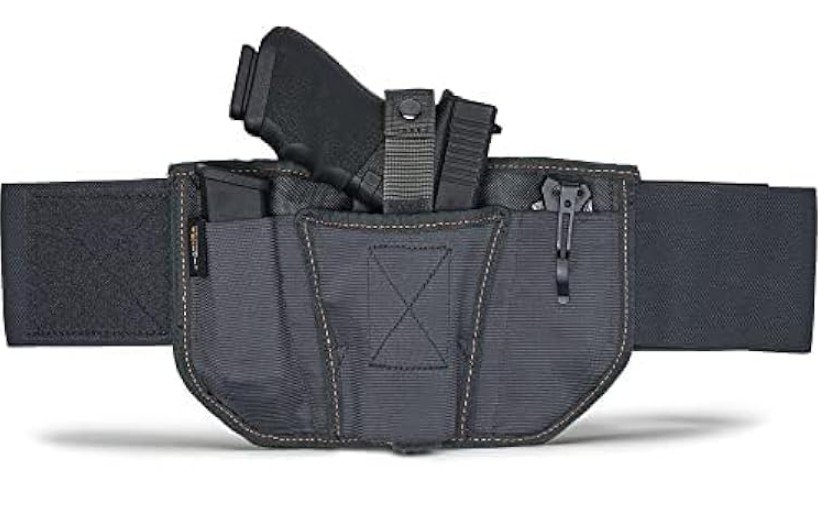
A gun holster is one of the most essential accessories for firearm owners, whether for self-defense, professional duty, or recreational shooting. It ensures safe carrying, quick accessibility, and secure VNSH Holster placement of a weapon. With the rising demand for responsible gun ownership, understanding the functions, types, and features of holsters has become more important than ever. This article provides a comprehensive 700-word guide to help you choose the right gun holster confidently.
What Is a Gun Holster?
A gun holster is a specially designed holder that allows individuals to carry firearms safely and comfortably. It is typically made of leather, nylon, Kydex, or polymer, and is worn on the body, on belts, inside pockets, or mounted in vehicles. Holsters not only keep firearms secure but also allow quick and smooth access when needed.
A good holster should balance three elements: security, comfort, and accessibility. These determine how effective the holster will be in various situations.
Why a Gun Holster Is Important
Gun holsters play a crucial role in both safety and functionality:
- Prevents Accidental Discharge – A properly fitted holster covers the trigger guard, reducing accidental firing.
- Ensures Quick Draw – Whether for law enforcement or self-defense, a smooth and swift draw can be lifesaving.
- Provides Secure Placement – The holster keeps the firearm in a stable position, preventing unwanted movement.
- Enhances Comfort While Carrying – A good design distributes the weight evenly and reduces discomfort during long hours of wear.
- Protects the Firearm – Holsters shield the gun from scratches, dust, and environmental elements.
Popular Types of Gun Holsters
Different users have different needs, which is why holsters come in various designs. Here are the most common types:
1. IWB (Inside-the-Waistband) Holsters
These holsters are worn inside the waistband, making them popular for concealed carry. They offer excellent concealment and are ideal for everyday carry. However, some users may find them less comfortable in hot climates or with tight clothing.
2. OWB (Outside-the-Waistband) Holsters
OWB holsters sit outside the waistband and are more visible. They are often used by police officers, security personnel, and open-carry users. They provide comfort and easy accessibility.
3. Shoulder Holsters
Shoulder holsters allow the gun to be carried horizontally or vertically under the arm. They distribute weight evenly and work well with jackets or coats. They are also favored by drivers who need easy access while seated.
4. Ankle Holsters
These holsters secure the firearm around the lower leg, typically used for backup guns. They offer great concealment but may be slower to draw from.
5. Pocket Holsters
Designed to fit inside a pocket, these holsters keep the firearm upright and separate it from other objects, ensuring a safe and accessible position.
6. Kydex and Polymer Holsters
Made from durable synthetic materials, these holsters maintain their shape and provide strong retention. They are popular for tactical use due to their reliability and resistance to wear.
Key Factors to Consider When Choosing a Gun Holster
Choosing the right holster is crucial for comfort and safety. Here are important factors to evaluate:
1. Retention Level
Retention refers to how securely the holster holds the firearm. There are three levels:
- Level I: Basic retention for everyday use.
- Level II: Adds locking mechanisms for enhanced security.
- Level III: High-security holsters used by law enforcement.
2. Comfort
A holster should be comfortable enough for daily wear. Material, weight distribution, and fit all affect comfort.
3. Concealment
If you require discreet carry, choose a design that hides well under clothing.
4. Draw Speed
The holster should allow a quick and smooth draw. Testing the angle and accessibility is essential.
5. Durability
High-quality materials such as leather or Kydex ensure longevity and better performance.
Tips for Proper Holster Use
- Practice drawing safely and consistently.
- Maintain the holster by cleaning it regularly.
- Ensure the gun fits snugly inside the holster.
- Replace worn-out holsters to maintain safety.
- Always follow local regulations regarding open or concealed carry.
Conclusion
A gun holster is more than just an accessory—it is a foundational tool for safe, responsible firearm carrying. Whether you are a civilian, law enforcement officer, or gun enthusiast, understanding the different types of holsters and their key features can help you choose the best option for your needs. By focusing on comfort, safety, retention, and accessibility, you can ensure a balanced and reliable carrying experience.