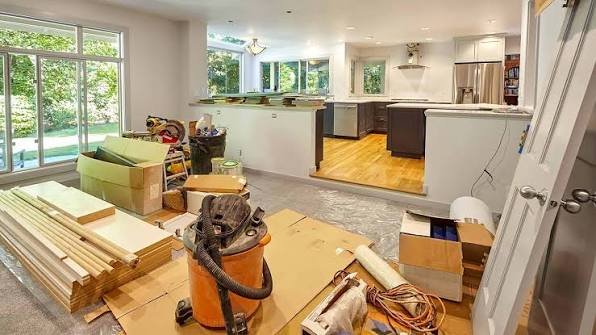
Building an accessory dwelling unit can be a significant residential investment. For Los Angeles homeowners, an ADU may provide additional living space, accommodate family members, or create an opportunity for rental income. However, controlling the financial side of the project requires careful preparation before construction begins.
A realistic budget should reflect the property’s existing conditions, the intended design, permitting requirements, and the full scope of construction.
Begin With Your Main Project Goals
The first budgeting decision is understanding why the ADU is being built. A homeowner planning a small studio for occasional guests may have different priorities from someone developing a two-bedroom unit for long-term occupancy.
The intended use influences the required floor area, number of rooms, kitchen design, bathroom features, and finishing materials.
Creating a list of essential features helps establish priorities. Homeowners can separate necessary elements from optional upgrades, making it easier to evaluate different design proposals.
Evaluate the Property Before Estimating Costs
Site conditions can have a considerable influence on construction expenses. A relatively level backyard with convenient access may present different requirements from a property with a slope, drainage concerns, or limited access for construction equipment.
Existing garages also need careful evaluation before conversion. Their structural condition and available utilities may determine whether improvements are required.
Homeowners should arrange a property assessment before relying on general cost estimates. A preliminary evaluation provides a better foundation for understanding the work involved.
Understand the Main Cost Categories
An ADU budget should include more than the visible construction materials. Several stages contribute to the overall project investment.
Common cost categories include:
- Architectural planning and design services.
- Structural engineering and other professional services.
- Site preparation, demolition, and foundation work.
- Plumbing, electrical, and utility connections.
- Building materials and construction labor.
- Permits, inspections, and required documentation.
- Interior finishes, fixtures, and appliances.
- Landscaping and restoration of affected outdoor areas.
Not every project requires the same work. A garage conversion and a newly constructed detached ADU may have very different cost structures.
Avoid Choosing a Design Based Only on Appearance
An impressive design does not necessarily represent the most practical choice for a particular property. Large windows, premium finishes, complex rooflines, and custom features may increase project expenses.
Homeowners should compare design alternatives based on functionality and affordability. A well-organized floor plan can make a smaller unit comfortable without requiring unnecessary upgrades.
It is also helpful to consider maintenance requirements and long-term durability when selecting materials.
Understand the Importance of Construction Scope
A detailed construction scope explains exactly what the contractor is expected to complete. It should identify the major building activities, materials, included finishes, and any exclusions.
Without this information, homeowners may struggle to compare estimates accurately. Two proposals with different prices might not include the same services or construction responsibilities.
An experienced design-build company such as GoADU Construction can help Los Angeles homeowners coordinate design, permitting, and construction planning while evaluating the project’s requirements.
Account for Permits and Potential Changes
Permitting should be included in early financial planning. Depending on the property and proposed design, additional documentation, engineering, or revisions may be necessary.
Homeowners should also maintain a reasonable financial contingency for unexpected site conditions or approved changes. The amount should reflect the complexity of the project and professional advice.
Make Financial Decisions Before Construction Starts
A successful ADU project begins with a clear understanding of what can realistically be built within the available budget.
By evaluating the property, defining project priorities, comparing design options, and reviewing the full construction scope, homeowners can make better financial decisions. Careful preparation also makes it easier to discuss expectations with contractors and avoid misunderstandings as the project moves forward.