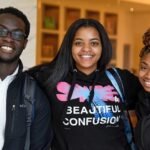
The conversation around college wellness has expanded significantly in recent years, but one area that deserves deeper attention is the emotional and psychological well-being of students at Historically Black Colleges and Universities (HBCUs). These institutions have long been pillars of cultural identity, academic excellence, and leadership development. Yet, students navigating academic pressure, financial strain, and social expectations often face mental health challenges that go unaddressed. Strengthening HBCU student mental health support systems is not just a campus issue—it is a shared responsibility among schools, families, and surrounding communities.
Understanding the Unique Mental Health Landscape at HBCUs
Students at HBCUs often experience a distinct blend of pride and pressure. Many are first-generation college students, others are balancing part-time work with academic responsibilities, and some carry the emotional weight of representing family and community expectations.
These pressures can contribute to anxiety, depression, burnout, and isolation. While HBCUs are known for strong cultural support systems, counseling resources are sometimes limited due to funding constraints or stigma surrounding mental health care. Addressing HBCU student mental health requires recognizing these layered challenges rather than applying one-size-fits-all solutions.
Strengthening Campus-Based Mental Health Services
HBCUs can take several practical steps to improve student support systems:
Expanding Counseling Access
One of the most direct ways to improve HBCU student mental health is to increase the availability of licensed counselors on campus. Reducing wait times and ensuring culturally competent care can make students more likely to seek help.
Training Faculty and Staff
Professors and administrative staff are often the first to notice changes in student behavior. Training them to identify warning signs—such as withdrawal, declining academic performance, or emotional distress—can lead to earlier intervention.
Peer Support Programs
Peer counseling and mentorship initiatives allow students to connect with others who understand their experiences. These programs help normalize conversations about stress, anxiety, and emotional health in a relatable way.
Integrating Wellness into Curriculum
Courses that include stress management, mindfulness, and emotional resilience can help students build lifelong coping skills. Embedding wellness into academic life reinforces that mental health is part of overall success.
The Role of Families in Supporting Students
Families remain a powerful influence in a student’s mental health journey. Many HBCU students rely heavily on family encouragement, even when they are physically away from home.
Encouraging Open Communication
Families should create safe spaces for honest conversations about emotional struggles. When students feel heard rather than judged, they are more likely to seek help early.
Reducing Stigma Around Mental Health
In some communities, mental health is still misunderstood or minimized. Normalizing therapy, counseling, and emotional check-ins can significantly improve HBCU student mental health outcomes.
Supporting Academic Balance
Families can also help by encouraging realistic expectations. Understanding that college success includes rest, social life, and emotional balance helps reduce unnecessary pressure.
Community Involvement and External Support Systems
Beyond campus and family, the broader community plays a vital role in student well-being.
Local Mental Health Partnerships
Community organizations can partner with HBCUs to provide free or low-cost counseling services. These partnerships help fill gaps where campus resources are limited.
Faith-Based Support Networks
Many students find comfort in faith communities. Churches and spiritual groups can offer counseling referrals, mentorship programs, and safe spaces for emotional expression without judgment.
Youth and Alumni Engagement
Alumni networks can provide mentorship programs that connect current students with graduates who have navigated similar challenges. These relationships often provide practical advice and emotional reassurance.
Reducing Stigma Through Education and Awareness
One of the biggest barriers to improving HBCU student mental health is stigma. Many students hesitate to seek help because they fear being labeled as weak or incapable.
Awareness campaigns on campus can change this narrative. Workshops, mental health fairs, and student-led discussions help normalize emotional vulnerability. When mental health becomes part of everyday conversation, students are more likely to prioritize their well-being.
Leveraging Technology for Mental Health Support
Digital tools are becoming increasingly important in expanding access to care. Teletherapy platforms, mental health apps, and online peer support groups allow students to access resources anytime.
For students who may feel uncomfortable seeking in-person counseling, these tools offer privacy and flexibility. Integrating technology into HBCU student mental health strategies ensures that support is accessible beyond traditional office hours.
Building a Long-Term Culture of Wellness
Sustainable change requires more than short-term programs. HBCUs must aim to build a lasting culture where mental health is valued equally with academic achievement.
This includes ongoing funding for counseling centers, continuous training for staff, and student leadership involvement in wellness initiatives. When mental health is embedded into the institutional identity, students benefit from an environment that supports their whole selves.
Conclusion
Improving HBCU student mental health is a collective effort that extends beyond campus boundaries. Schools must expand resources and create supportive environments, families must foster understanding and open communication, and communities must contribute accessible services and emotional support networks.
When these three pillars work together, students are better equipped not only to succeed academically but also to thrive emotionally, socially, and personally. The future of HBCUs depends not only on educational excellence but also on the well-being of the students who carry their legacy forward.